
How solo travel is permanently changing the tourism landscape
At the start of 2024, the Netherlands had approximately 3.3 million single-person households. According to Statistics Netherlands’ household forecast, that number will rise to around 3.8 million by 2035. At the same time, more people are consciously choosing to travel alone. What was once considered taboo has become a powerful form of travel, driven by freedom, meaning and personal development. This shift calls for a different perspective from destinations, policymakers and travel organisations.
What does the growth of solo travel mean for destinations?
The growth of solo travel creates opportunities for destinations that combine flexibility, safety and connection. Solo travellers can travel relatively easily outside school holidays, seek local experiences and value options without high single supplements. Destinations can respond with flexible bookings, small-scale activities, social meeting places and clear safety information.
The figures behind the trend
The rise of solo travel does not stand on its own. The number of single-person households is increasing as a result of ageing and divorce, but also because more people consciously choose to live independently.
People who live alone are more likely to undertake activities independently and spend a larger share of their time by themselves. Holidays and journeys are therefore also increasingly taken alone. Combine this with the freedom, adventure and flexibility of solo travel, and a structural change in travel behaviour becomes visible.
From taboo to normal
Ten years ago, travelling alone might still have required an explanation. That perception has changed significantly. I took my first solo trip seventeen years ago. I remember having to justify why I was travelling alone, whether I was afraid and whether I had nobody to travel with.
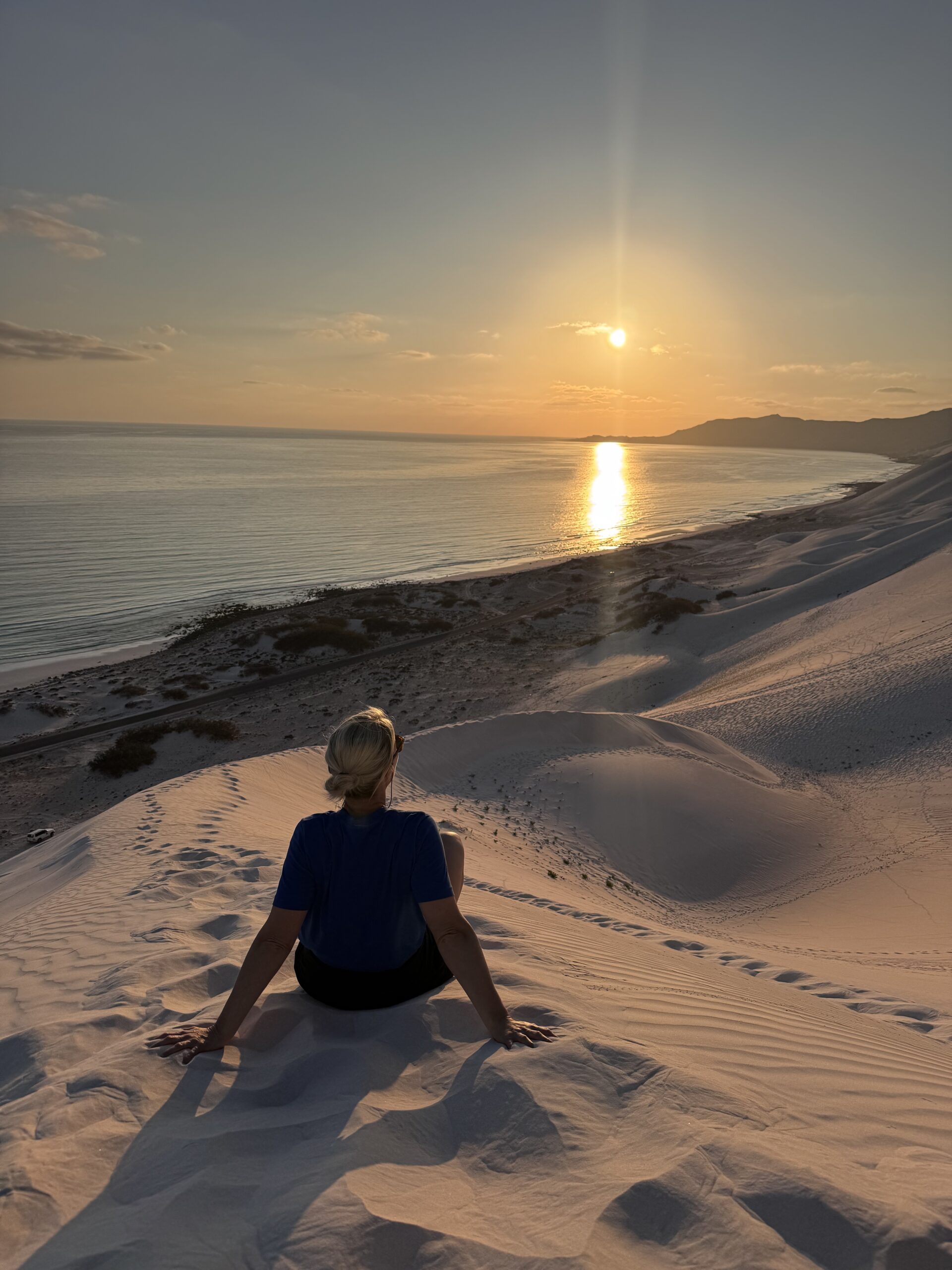
When I travelled to Bhutan alone one year after the birth of my eldest son, those questions returned. When I later travelled to Socotra with Janet’s Journey, people told me they thought it was brave to leave as a mother of two young children. From the outside, that may seem unusual. For me, it is primarily about curiosity: the urge to discover, time for myself, adventure and new inspiration.
Travel has also become more accessible, the range of options is more diverse and social media has made solo travel more visible and normal than ever. Solo travellers find one another through online communities, platforms and shared interests. Influencers, YouTubers and communities such as Niet Nadenken Gewoon Doen and Janet’s Journey have made group-based solo travel more attractive and social. Travelling alone no longer means being alone all the time.
Who are today’s solo travellers?
Who are today’s solo travellers?
The group of solo travellers is diverse and growing. Broadly speaking, three profiles are visible:
- Women between 30 and 70 who are independent, divorced or consciously single, and who choose their own path with confidence and curiosity.
- People with a partner who deliberately travel alone, as I do. Not because something is missing, but because they need freedom, reflection and inspiration.
- Young, often digitally confident and independent travellers who seek meaning beyond familiar routes.
New forms and niches within solo travel
Solo travel takes many forms. Some trips combine individual participation with a group setting, such as yoga retreats, walking holidays and adventurous group journeys. Other travellers choose a fully individual trip centred on tranquillity, depth or a specific interest such as photography or diving.
Niche providers are growing within the group segment, ranging from women’s travel and Christian singles trips to outdoor expeditions for men and mindfulness weekends. Large tour operators are responding with tailored programmes, smaller groups and age-specific options. With providers such as Mohsin from Niet Nadenken Gewoon Doen and Janet’s Journey, travellers are not simply participants, but part of a community.
Why solo travel creates opportunities for destinations
The growth of solo travel opens new possibilities for destinations, tour operators and accommodation providers. Solo travellers seek connection with themselves, with others and with the place they visit. They are not tied to school holidays and can choose the early season, late season or quieter weekdays. This calls for tailored hospitality, flexibility and room for spontaneous encounters.
Destinations and providers can respond in practical ways:
- Organise social activities that encourage encounters with other travellers or local residents.
- Make booking simple and offer flexible excursions, shared tables and options for individual participation.
- Develop packages that allow for both rest and connection without filling every moment of the programme.
- Encourage seasonal spread with relevant offers and added value during quieter periods.
- Reflect the need for meaning, personal time and reflection in content and products.
- Use fair pricing and avoid high single supplements.
What does solo travel offer the traveller?
Solo travel offers freedom, tranquillity, self-understanding and unexpected encounters. Travellers do not need to compromise with companions. They set their own pace, choose their own route and shape their own experience. Travelling alone can also make people more open to contact with local residents and other travellers.
Solo travel can contribute to personal growth too. Many travellers experience greater confidence, independence and decisiveness. Plans can be changed without consultation: a museum today, the mountains tomorrow. Being dependent on your own choices can also create a more intense engagement with other cultures.

The future of solo travel
The structural growth of single-person households, more flexible working patterns and the search for personal enrichment all point to lasting demand for solo travel. That demand is being met by a growing range of niches, tailored products and hybrid formats that combine individual freedom with shared experiences.
The American Express Global Travel Trends Report 2024 found that 76 percent of the surveyed Millennial and Gen Z travellers planned to take a solo trip in 2024. Context matters: the research focused on relatively high-income travellers in seven international markets. The figure demonstrates strong interest in solo travel, but it is not a forecast for all travellers worldwide.
These travellers seek local experiences that are easy to access independently, shared spaces where encounters happen naturally, flexible bookings without high single supplements and a safe, welcoming atmosphere. Accommodation providers that respond with solo packages, workshops and clear safety information are becoming increasingly relevant.
Tourism organisations and destinations should not wait for the market to move without them. Those that respond to the needs of solo travellers can serve a growing audience while also improving the quality, seasonal spread and inclusivity of their tourism offer.
Isabel Mosk is a tourism strategist and founder of Sherpa’s Stories. She has worked for more than 50 destinations worldwide and specialises in tourism trends, positioning and storytelling.