Vitamin T: travelling as a new form of self-care
In 2023, one in five Europeans deliberately chose an active or sports-based holiday. In the Netherlands, that share was 15 percent, according to the Netherlands Board of Tourism & Conventions’ Continuous Holiday Survey. Grand View Research valued Europe’s sports tourism market at more than 259 billion dollars, with annual growth of almost 18 percent forecast through 2030. Vitality travel is no longer a niche, but a rapidly expanding segment of international tourism.
At the same time, the need for balance is growing. As workloads increase, digital fatigue sets in and health becomes more important, travellers’ motivations are changing too. Where travel was once primarily an escape, it is increasingly seen as an investment in physical recovery and mental clarity. Vitality is no longer a goal in itself, but a natural part of the travel experience.
The rise of the self-care holiday
This development is also known internationally as Vitamin T, with the T standing for travel. The idea is that travel centred on movement, sleep, nature and healthy food contributes to a longer, more resilient life. More travellers are booking retreats focused on recovery, ranging from breathwork to sleep optimisation. At the same time, the number of holidays built around physical activity is also growing.
From hut-to-hut hiking in the Alps to open-water swimming clinics in Croatia, travellers increasingly combine activity with restoration. They are not simply trying to get away, but seeking to challenge themselves or recharge. Travel becomes a form of personal development.
Travel with direction and rhythm
Travellers’ motivations are visibly changing. Active holidays offer structure, motivation and a tangible goal. This might mean joining a running week in Spain or training for a triathlon on the Greek coast. These journeys often attract like-minded people and create connection naturally. For solo travellers seeking safety and meaning, that is an appealing concept.
The range of experiences is broadening too. Alongside intensive training camps and performance-focused trips, gentler alternatives are emerging. These include yoga weeks, mindfulness retreats and walking tours that focus on breathing and rest. Movement and recovery are no longer treated as opposites, but as complementary elements.
From pioneers to a mainstream market: the rise of sports travel
Travel companies are actively responding to the growing interest in sports-based travel. Niche provider Fit Avontuurlijke Sportreizen specialises in adventurous expeditions to destinations such as Mongolia, Scandinavia and South Africa, offering experiences that range from ice-skating journeys to mountain-biking challenges.
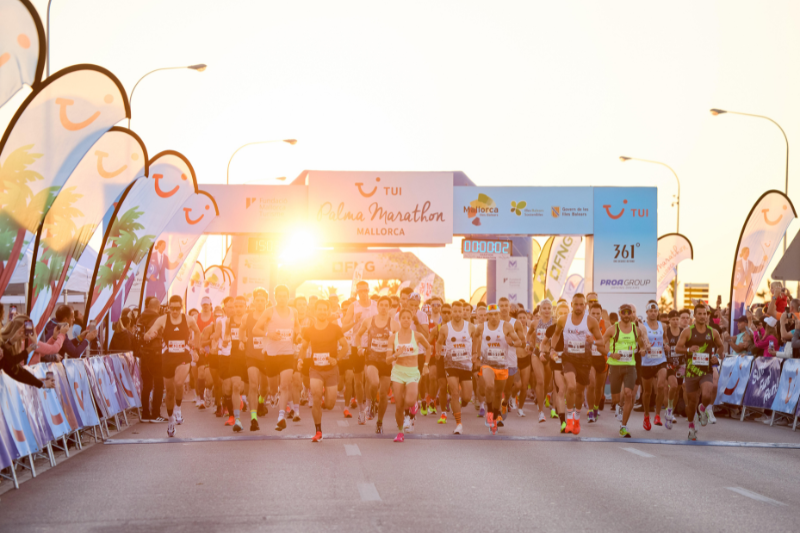
Large tour operators such as TUI are also responding more systematically through labels such as TUI Sports. These programmes focus on sporting events, including running races and cycling tours. One example is a marathon trip to Palma de Mallorca, combining participation in the TUI Palma Marathon with a relaxing island holiday. It reflects travellers’ desire to pursue sporting ambitions while spending quality time with a partner or family.
The sports travel market has not only grown, but has also become broader and more mature. New niches continue to emerge, including active trips for women, women-only triathlon camps and yoga weeks with a sporting dimension. Travellers over fifty are another growing audience: they are active, have time and spending power, and seek meaningful experiences. Families with teenagers are increasingly choosing multisport holidays as an alternative to traditional beach or camping trips.
Finding rest through activity
What these vitality journeys share is a desire to travel with impact. Travellers do not simply want to relax, but to rest consciously. They are not looking for passive downtime, but active recovery. Instead of ticking off a packed itinerary, they make room for silence, nature and attention.
Travel is therefore shifting from consumption to curation. Rather than choosing mass tourism, people seek meaningful experiences that suit their stage of life, energy and needs. Healthy travel is not merely a trend, but part of a broader movement in which wellbeing, purpose and resilience come together.
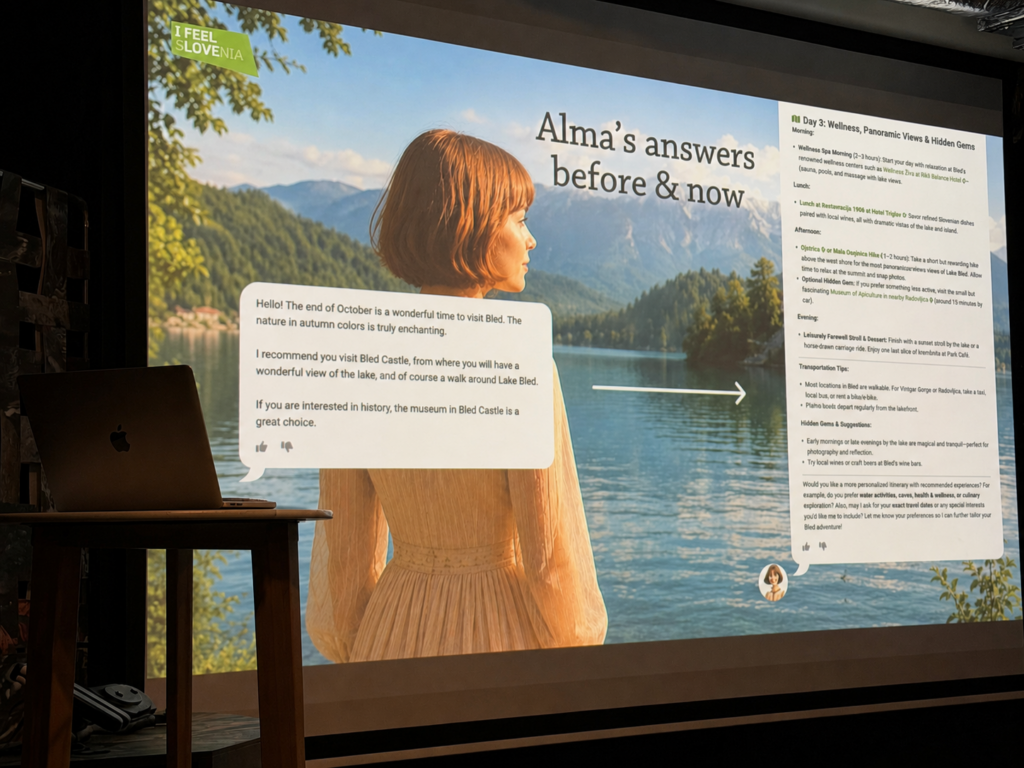
This development extends far beyond the Netherlands, from active group trips around the Mediterranean to digital detox retreats in Scandinavia and breathwork retreats in the Alps. Technology is playing an increasing role too. Wearables, sleep trackers and digital coaching are being integrated into travel programmes, providing greater insight and motivation.
As the boundaries between work, leisure and care continue to blur, travel takes on a new meaning: an investment in health, connection and personal growth. Perhaps that is exactly what this moment calls for.
Isabel Mosk is a tourism strategist and founder of Sherpa’s Stories. She has worked for more than 50 destinations worldwide and advises organisations on tourism trends, strategy, positioning and storytelling.