
Travel trends 2026: from bucket list to meaning
Travel in 2026 is no longer an escape, but an extension of who we are. Travellers are looking for experiences that resonate: personal, meaningful and aligned with their values and lifestyle. These nine trends offer a glimpse into how travel behaviour is shifting from mass product to tailor-made experience.
1. Tailor-made travel: needs-based and hyper-personal
In 2026, travel is no longer a universal product, but a personal experience that starts with who you are, what you are looking for and where you are in life at that moment. Travellers no longer fit neatly into categories such as backpacker, family, senior or luxury traveller. Instead, a landscape is emerging of highly diverse travel styles, motivations and travel companions. It is no longer the target group that matters most, but the need.
Travellers expect offers that move with their life stage, mood and values. From solo wellness trips to multigenerational road trips. From TikTok inspiration to spiritual retreats. From a silent walk to a tour of concert halls. Anything goes, as long as it fits who you are and what you need at that moment.
Traditional segmentation, such as young versus old or budget versus luxury, has become too broad. Instead, travellers are creating their own combinations. Technology, flexibility and growing awareness are making this personalised travel experience increasingly possible.
This trend is reflected in several ways:
New travel styles, new needs
Micro-adventures, soft adventure, digital detox, set-jetting and sabbaticals: travel motives and travel styles are blurring and blending.
Your company, your journey
Alone, with friends, with family or in a women-only group. Travel in 2026 adapts to your company, not the other way around.
From target groups to needs-based thinking
Not “the millennial” or “the senior”, but “the peace seeker”, “the culturally curious traveller”, “the vegan traveller” or “the conscious traveller”. Needs are becoming the guiding principle in how trips are designed, booked and experienced.
2. Slow travel: less pressure, more feeling
In a world of packed schedules, endless screen time and constant stimulation, the need to slow down is growing. Travellers want peace, space and genuine connection. Not five cities in one week, but one week in a single region. Slow travel is therefore not just a travel style, but an attitude: consciously choosing less in order to experience more.
Slow travel does not mean slow or boring, but rich and attentive. Taking time to walk, cycle, explore small villages and immerse yourself in nature. It is not the number of places that counts, but the depth of the experience. Slow travel is also a response to mass tourism, travel stress and ecological concerns: less flying, more trains. Fewer bucket lists, more meaning.
This way of travelling often takes place in natural surroundings, from forests and mountains to coastlines and countryside. The seasons, the landscape and the elements become part of the experience. Travelling outside the high season is also gaining popularity, especially in months such as May and September, when tranquillity is tangible and destinations come into their own.
This way of travelling takes several forms:
Micro-adventures
Short trips close to home, with a strong impact. The value of the journey is not determined by distance, but by the intensity of the experience.
Moving with awareness
Walking, cycling or simply being outdoors: slow travel literally gets you moving, often in nature, without pressure to perform.
Travelling in the shoulder season
Peace, space and authenticity: outside the high season, a destination feels less touristy and more human.
3. Smarter travel with AI: technology as a travel companion
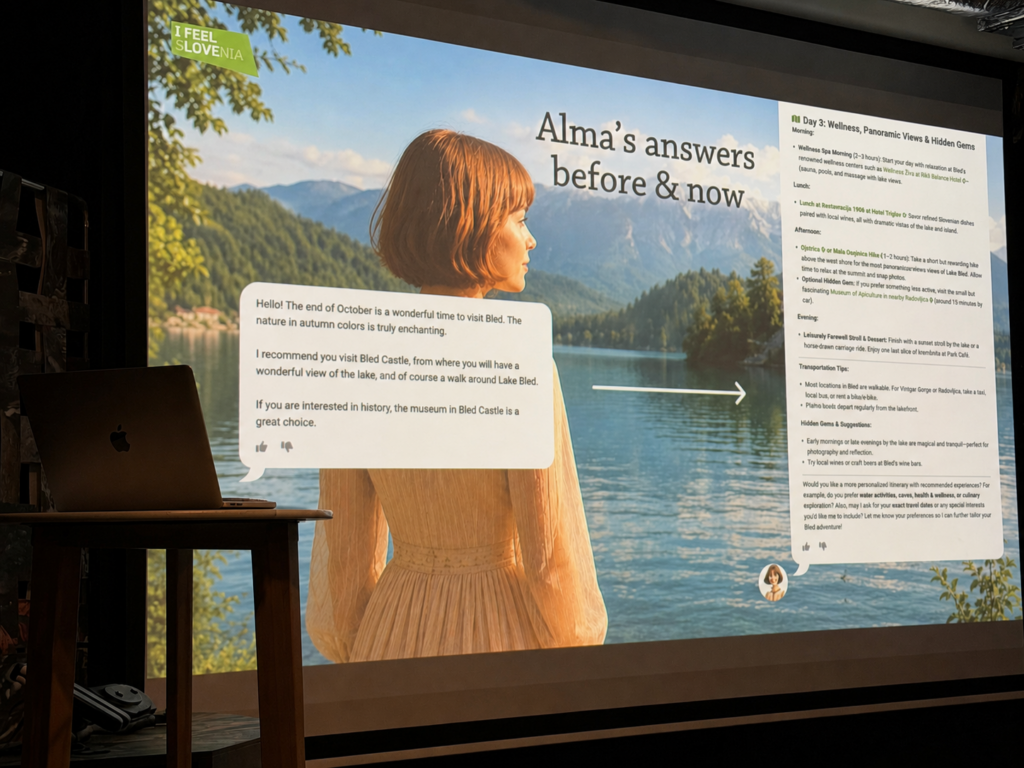
In 2026, technology is no longer just a tool, but a travel companion. Artificial intelligence helps with planning, booking and optimising trips, while also making more conscious travel behaviour easier. Think real-time advice, smart route planners, chatbot bookings and recommendations based on personal preferences.
AI makes travel more intuitive and efficient, helping travellers make more conscious choices. Apps automatically provide updates about delays or crowds, or make suggestions based on your behaviour and preferences. This makes the journey smoother, clearer and less stressful. Many AI applications are invisible to the traveller, but they do improve the quality of service.
This smarter way of travelling is reflected in:
A digital travel buddy always at hand
Smart apps provide real-time updates, personal suggestions and useful reminders, like having a travel guide in your pocket.
Tips that feel made for you
Based on previous choices, AI knows what you enjoy and tailors activities, routes or restaurants accordingly.
Smarter behind the scenes
AI helps companies optimise processes, from energy savings to staff planning, without the traveller even noticing.
4. Travel for body and mind: vitality comes first
Travel is no longer a pause from life, but part of it. In 2026, it is increasingly a way to recharge physically, mentally and emotionally. Health tourism is growing: from yoga retreats to sleep-focused travel, and from walking holidays to active sports trips. Vitality is no longer a goal in itself, but a natural part of the journey.
More and more travellers are consciously looking for destinations and activities that contribute to a healthier life. Think fresh mountain air, nutritious food, movement in nature and digital calm. Sports holidays are gaining ground: from organised swimming clinics to multi-day trips centred around physical challenge and endurance.
At the same time, the offer of “soft adventure” is growing: active outdoor days such as hut-to-hut hikes or pilgrimage routes. Those who want to slow down seek silence, breathing space and mindfulness, for example during a meditative retreat or a walking holiday in nature. Eco-retreats and small-scale wellness places offer mental space, always balanced with physical movement and fresh air.
Healthy travel takes several forms:
Wellness as the starting point
Accommodation with saunas, yoga, healthy meals or wellness programmes is no longer an added extra, but a main reason to book.
Sporty and active
Swimming, cycling, kayaking or stand-up paddleboarding: active holidays with a sporty character are gaining popularity.
Recharging in nature
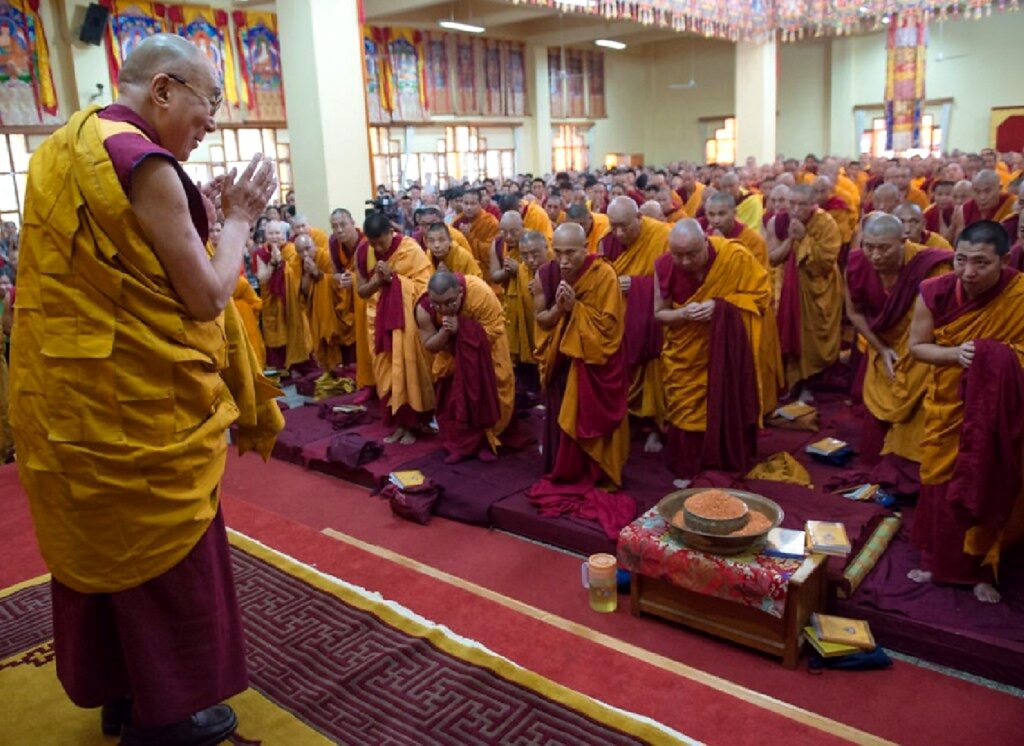
Silent walks, monastery stays and digital detoxes offer space to breathe and recharge in a low-stimulus environment.
5. Tailored experiences: technology that knows what you are looking for
In 2026, it is not about more choices, but about more relevant choices, and technology helps make that possible. Personalisation is no longer a marketing tool, but the backbone of the travel experience. Thanks to artificial intelligence, customer data and smart tools, providers can anticipate life stage, moods and values. This creates trips that feel as if they were made especially for you.
Hotels tailor their communication to previous preferences, apps take dietary requirements or sleep patterns into account, and personalised experiences are being tested at airports. But personalisation is not only about technology: it is about timing, context and feeling. Personalisation is not about more data, but about better sensing the moment and the context.
This trend is also changing how hospitality is designed. From booking to return, the experience must connect with the individual. Think of a room with a view, a tailor-made walking route or a quiet train carriage to work in. Not because you explicitly ask for it, but because the offer has already been adapted to you.
This tailored experience appears in several forms:
Relevance instead of overload
Information, suggestions and services increasingly match the moment and the need. Less choice stress, more ease.
Hospitality with feeling
Data is translated into attention. From personalised greetings to surprises that match your preferences perfectly.
The experience does not end when you get home
The customer journey continues, with memories, feedback and new inspiration.
6. Travel with a mission: driven by values
In 2026, travel is not only about relaxation, but increasingly about conviction. Travellers consciously choose destinations, providers and activities that align with their values. Whether it concerns sustainability, inclusivity, animal welfare or social justice, a holiday becomes a way not only to see the world, but also to support or revalue it.
This way of travelling touches every part of the journey: from climate-friendly transport to fair accommodation. Holidays closer to home and train travel are gaining ground. Younger generations in particular are driving this shift. They are guided by values, more often choose small-scale and conscious options, and expect travel brands to be open, inclusive and responsible. Travel may inspire, but it also has to feel right.
Travellers want their choices to align with their conscience. From transport to accommodation, from food to interaction: everything counts. They avoid brands that greenwash or ignore impact, and embrace providers that take their social role seriously.
The rise of regenerative tourism is also visible here: travel that contributes to the restoration of nature, culture and community. Not only doing no harm, but actually giving something back. Travellers want to make a difference. Not only for themselves, but also for the place they visit.
This values-driven way of travelling takes several forms:
Choosing green without the hassle
CO2 emissions are transparent, sustainable alternatives are visible and easy to book. From climate-friendly transport to vegan accommodation: every choice shows what you stand for.
Fair travel, fair sharing
Transparency around local impact, fair wages and inclusive communication is becoming increasingly important. Travellers want to know what lies behind the offer, and who benefits from it.
Activism with a suitcase
Travel as a form of engagement: from volunteering and local initiatives to educational trips around social or ecological themes. Not only discovering, but also contributing.
7. Solo travel: women choose their own course
More and more women are consciously choosing to travel alone. Not out of necessity, but from a desire for freedom, reflection and self-determination. Solo travel has grown into a powerful form of self-expression and a way to connect with the world on your own terms.
Solo travel now takes many forms: from setting off independently to organised trips with like-minded people, where flexibility and personal space are central. Travelling alone does not mean being lonely, but deciding for yourself when you seek contact and when you choose calm.
This development calls for a different approach to hospitality: safe accommodation, clear communication and space for solo travellers to feel both welcome and independent.
This trend appears in several forms:
From alone to on your own terms
Solo travel is about autonomy. You choose your own rhythm, decide your moments of connection and enjoy freedom without compromise.
Solo together
Group trips for solo travellers are gaining popularity. They offer connection without obligation: sharing experiences together, without losing your own space.
Travel as self-development
For many women, travelling alone is a way to step away from expectations and routines. It creates space for reflection, growth and adventure at your own pace.
8. Authentic is the new luxury: human, local and real
In a world full of stylised images, authenticity is becoming scarce, and therefore valuable. Travellers in 2026 are no longer looking for the biggest hotel or the most famous viewpoint, but for experiences that feel real: local, artisanal and human. Authentic stories, encounters and rituals are the new luxury.
This development is changing how destinations present themselves. Not polished folklore, but space for real communities, traditions and culture. Tourists are no longer spectators, but participants: helping out on a farm, cooking with a village chef or staying in people’s homes.
It is about connection and reciprocity. Travellers want to experience something and, at the same time, give something back. This calls for offers that go beyond sightseeing and begin with the trust that not everything needs to be planned or polished.
This need for authenticity is reflected in several ways:
Storyliving instead of storytelling
Travellers do not just want to listen to stories, but become part of them. Small scale, craftsmanship and encounters make the experience personal and meaningful.
Community-based tourism
Tourism that starts from the community itself. Local residents determine the pace and content, as guides or hosts. Travellers are guests on their terms and contribute directly to the local economy.
Craft and heritage as experience
From weaving to winemaking: handicrafts, regional dishes and traditions are shared with visitors. For travellers, this feels meaningful; for makers, it feels like recognition.
9. Social-first travel: TikTok determines the route
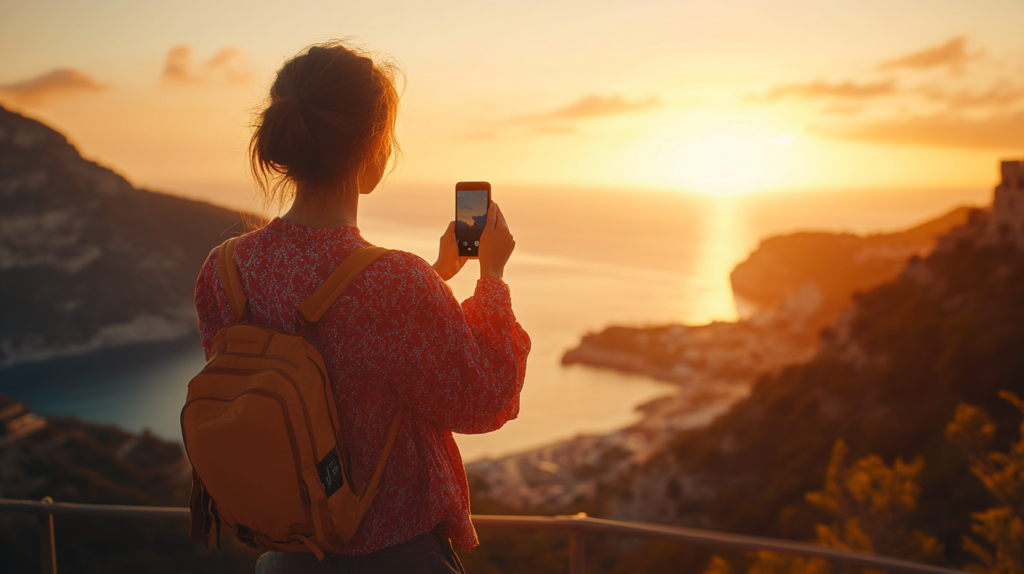
In 2026, social media are not only a source of inspiration, but a decisive force in travel behaviour. TikTok, Instagram Reels and YouTube Shorts have become travel guides: visual, peer-to-peer and incredibly fast. Travellers no longer search through Google, but scroll toward their next destination.
This creates a new kind of discovery journey: not based on a brochure, but on a hashtag. What looks good gets booked. From “hidden beaches” to photogenic hikes or niche hotels with striking interiors. Destinations can go viral in just a few days.
The influence of social media goes beyond aesthetics, however. Pop culture, influencers and micro-communities have a direct impact on where people go and how they think about those places. The urge to belong, the algorithm that feeds preferences and the power of short video formats are shaping a new travel reality.
This trend takes several forms:
From inspiration to imitation
Images from series, concerts or viral videos drive large numbers of visitors to specific places. Think set-jetting, travelling to film locations, or TikTok queues at “hidden spots”. Virality offers opportunities, but also requires boundaries and direction.
Content determines the route
Itineraries are put together based on TikTok or Instagram trends. Travellers look for experiences that are shareable and plan their trips around them.
Virality as a compass
Travellers trust shared videos more readily than official campaigns. Other people’s experiences determine whether a destination gets put on the map.
Together, these trends are not just a list, but a direction. Travel in 2026 is not an escape from daily life, but a deepening of it. These trends show that the future of travel is personal, meaningful and moves with who we are.
Isabel Mosk is a tourism strategist and founder of Sherpa’s Stories. She has worked for more than 50 destinations worldwide and specialises in tourism trends, strategy, positioning and storytelling.