
Eco-retreats and mindful escapes: the new luxury
In a time when the world is at our feet with a single click, the desire for simplicity, silence and nature is growing. Away from packed schedules, overstimulated cities and constant connectivity. Back to ourselves. That is what the rise of eco-retreats and mindful escapes is all about: travel that is not about moving from place to place, but about slowing down. It is slow travel in its purest form, where luxury is redefined as silence, fresh air, nourishing food and genuine attention.
What was once seen as “basic” — no Wi-Fi, shared facilities, no strict schedule — is now the new premium. We want to feel, breathe and connect. And we are looking for trips that are not only good for ourselves, but also for the place where we stay. Welcome to the world of eco-luxury, regenerative tourism and natural simplicity.
More than wellness
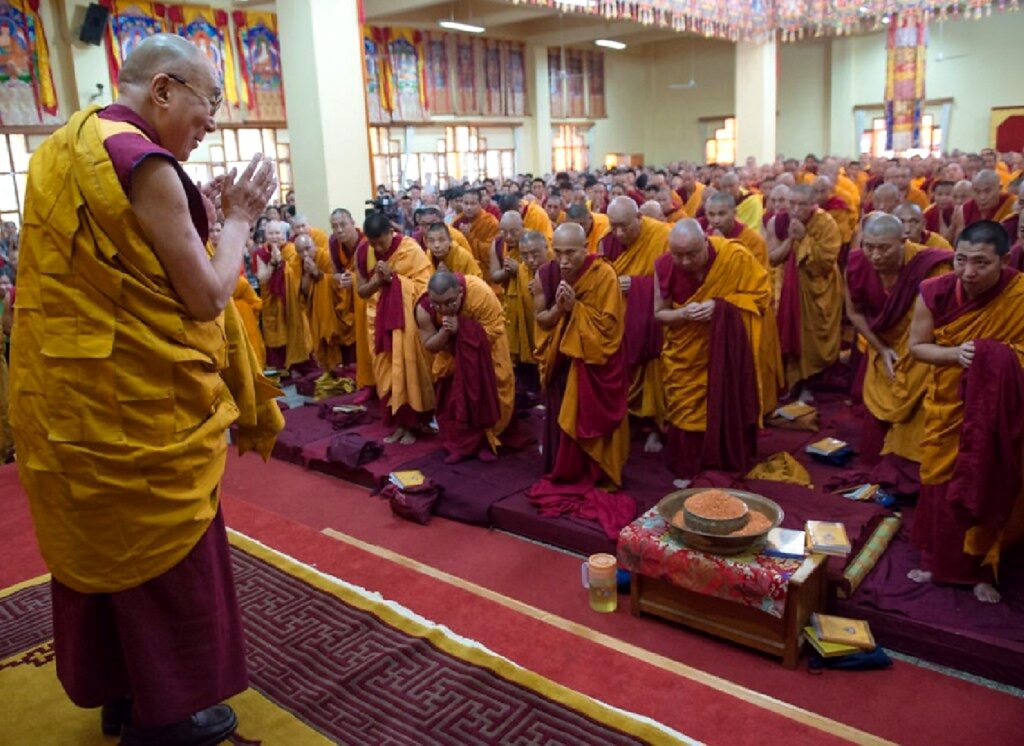
Where wellness used to be mainly about massages and hot tubs, it is now about a broader form of vitality: recharging physically, mentally and emotionally. From walking holidays in the Ardennes to silent weekends in Thai monasteries. More and more people are choosing holidays that allow them to actively unwind.
Both in the Netherlands and elsewhere in Europe, the number of places offering a balance between peace, nature and awareness is growing. In Friesland, for example, you can stay in tiny houses without Wi-Fi, surrounded by nature, where you can experience a digital detox. In Brabant, there are farm stays where you eat from the vegetable garden and take part in breathwork or yoga sessions in a renovated barn.
At the same time, retreats are emerging across Europe that respond to the same need. In the Spanish Pyrenees, you can join silent retreats, while mountain huts in the Italian Dolomites offer multi-day mindful hiking routes, far away from stimuli, planning and performance.
Fresh air as medicine
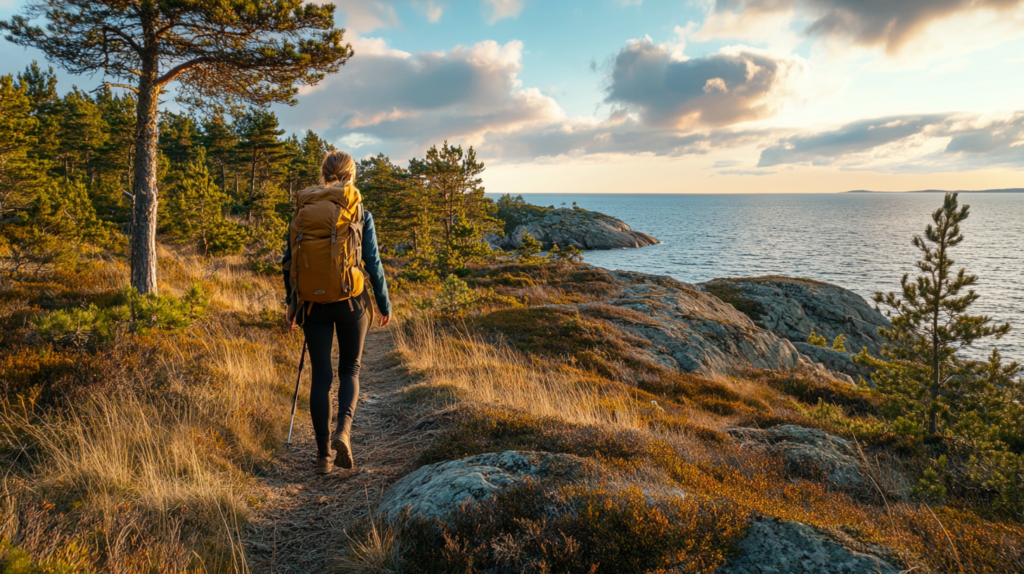
Experiencing nature plays a central role in this trend, and with good reason. Research shows that just two hours a week in nature can already bring significant health benefits, such as reduced stress, improved mental health and increased physical fitness. Being outside is therefore more than relaxation: it is important for our wellbeing.
More and more people are seeking the calm of forests, dunes or mountains as a counterbalance to urban pressure and digital overstimulation. Increasing urbanisation and a lack of free time are creating renewed appreciation for outdoor life.
It is not only younger generations heading into nature. Ageing populations are also contributing to the growing demand for calm, accessible nature experiences. Cycling routes, silent walks and small-scale nature retreats are popular among older travellers, who are increasingly looking for meaningful relaxation outdoors.
Think of hut-to-hut hikes in Austria, pilgrimage routes such as the Camino del Norte in northern Spain, or yoga under the stars in the Portuguese countryside. In Norway, and increasingly across the rest of Scandinavia, the concept of friluftsliv is deeply rooted: the almost spiritual importance of being outdoors.
In Sweden, you can stay at Kolarbyn Eco-Lodge in forest huts without electricity, but with a lakeside sauna and cooking over an open fire. Luxury in its purest form. These trips fit within the slow travel movement, where the rhythm of the journey matters more than the destination itself.
Closer to home, the range of unique nature stays is also growing. In Zeeuws-Vlaanderen, you can stay at Hide&B, Voedselbron Graauw, on a regenerative farm with a food forest. You sleep in a sustainable cabin, eat from the land and contribute to nature restoration and biodiversity through your stay. It is a way of travelling in which simplicity, comfort and conscious living come together.
The return of meaningful luxury
At first glance, eco-luxury may seem like a paradox. Yet more and more travellers are willing to pay for silence, space, nature, self-care and meaning, as long as it feels real and sincere.
The offer is growing with this demand. From treehouses with organic catering to design B&Bs with edible gardens, created in harmony with the seasons and the surrounding landscape.
A beautiful example is Eremito in Umbria, Italy, an eco-luxury monastery hotel without phone reception, where guests eat, walk and meditate in silence. In Costa Rica, Finca Luna Nueva welcomes visitors to an ecolodge based on the principles of regenerative agriculture, with farm-to-table dinners from its own land.
Closer to home, Cabiner in the Netherlands offers minimalist cabins in remote natural locations, accessible via hiking routes. You arrive with only a backpack and leave the outside world behind completely. These places offer not only comfort, but also connection with yourself, the environment and a lifestyle in which less is often more.
Detox without the juices
Digital detox retreats are rapidly gaining popularity. In a time when people in the Netherlands spend an average of more than six hours a day online, being unreachable is increasingly seen as a conscious choice, and sometimes even as a statement.
These retreats offer clear boundaries: no Wi-Fi, no screens and, in some cases, not even books. What remains is silence, nature, movement, breathing, sleep and attention.
In the French Pyrenees, digital detox weeks are offered with mountain walks, guided meditation and vegetarian meals. In the Netherlands, The Offline Club organises weekends without phones, where participants write, meditate and sleep in tents without electricity.
The goal is not entertainment, but mental clarity. No digital stimuli, but calm in the mind and space for real presence.
More than recharging yourself
What distinguishes this trend from classic wellness is active involvement with the surroundings. In many eco-retreats, it is not only about relaxation, but also about regeneration: contributing to the place where you stay, either ecologically or socially.
This can happen by staying with farmers who work regeneratively, helping on the land or choosing accommodation with a local social mission. Travel becomes a reciprocal experience in which rest and impact go hand in hand.
Tourism, education and nature experience are increasingly coming together. During a stay on a farm, you learn about food production, biodiversity and a sustainable rhythm of life. One example is Cocoon Portugal, an eco-retreat on the Atlantic coast where yoga is combined with farming, volunteering and living in tune with the seasons.
The message is clear: slowing down does not have to be passive. It is precisely through meaning and connection that a deeper form of recovery emerges.
From niche to necessity
What was once considered a niche for yoga lovers or people trying to avoid burnout has, in 2026, grown into a fully-fledged movement within the travel industry. Especially in a time of global uncertainty, digital pressure and growing climate awareness, the desire for simple, sustainable and human forms of travel is increasing.
Classic five-star luxury will continue to exist, but it is being joined by another kind of luxury: the luxury of space, attention and breath. And perhaps that is the most beautiful thing about this development. Everyone can take part. Whether you choose a monastery weekend in Limburg, a treehouse in France or a hut in the Swedish wilderness, real comfort is not found in what you bring with you, but in what you are able to let go of.
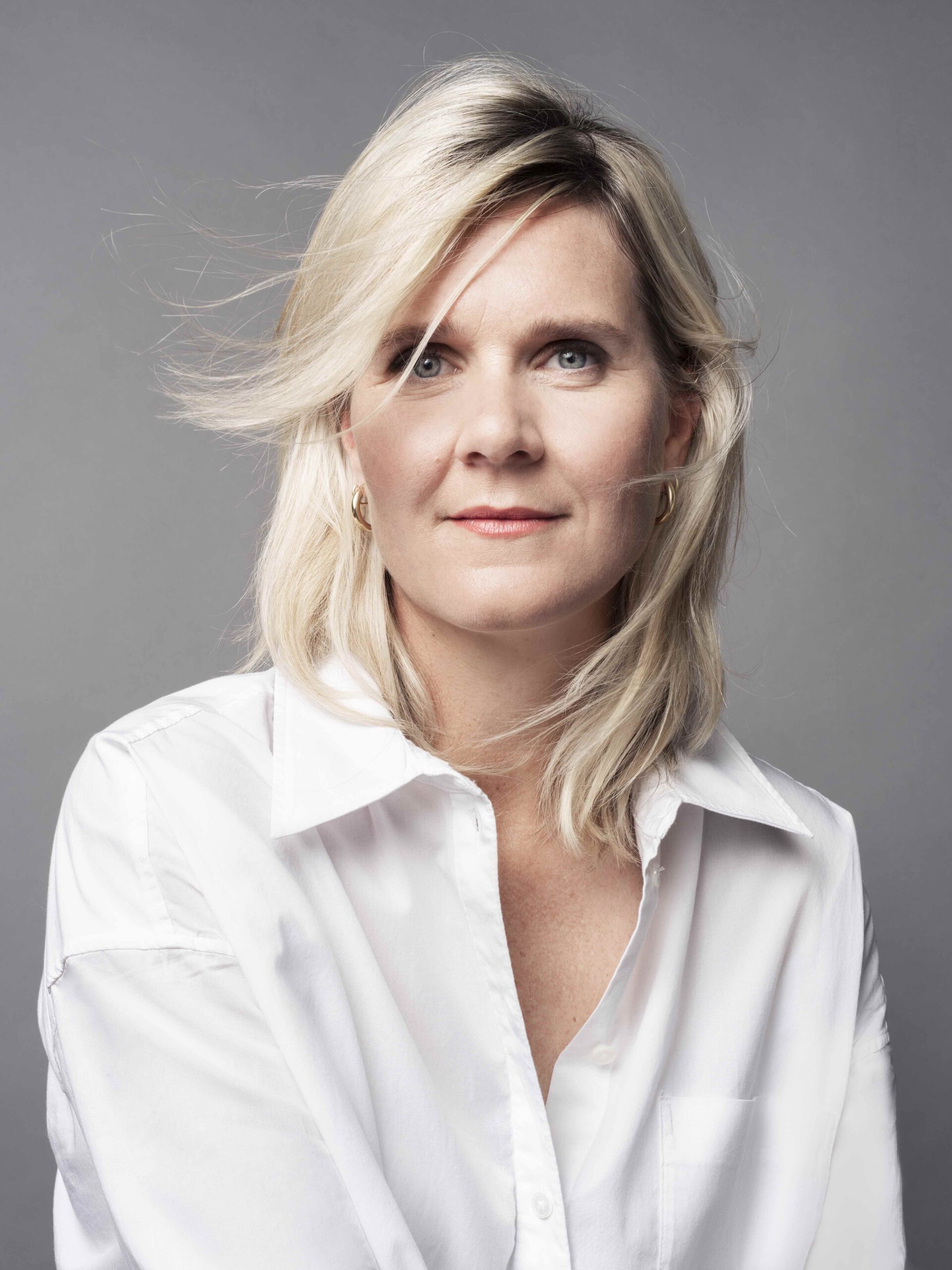
Isabel Mosk is a tourism strategist and founder of Sherpa’s Stories. She has worked for more than 50 destinations worldwide and specialises in tourism trends, strategy, positioning and storytelling.