Authentic travel is gaining ground: why tourists are increasingly opting for genuine, local, and meaningful experiences
Around the world, more travellers are seeking depth. According to Booking.com, 44 percent of travellers in 2023 valued authentic experiences more highly than tourist highlights. The market reflects that shift: from Peru to Slovenia, community-based tourism is growing, placing encounter and participation at its heart.
Authentic travel is therefore no longer simply a trend, but a fundamental reorientation of how we want to travel and what we hope to gain from it. Fewer hurried checklists, more experiences that stay with us. Less focus on the perfect picture, more room for a genuine story.
From storytelling to storyliving
Travellers no longer want to stand on the sidelines. They want to participate. The shift from storytelling to storyliving means that visitors are no longer spectators, but active participants in local life.
This is already happening at scale in Slovenia. In regions such as Goriška Brda and Koroška, visitors work alongside local people at wineries, help make cheese or learn to cook with wild herbs. This is not staged tourism, but a more organic engagement with the rhythm of the region.
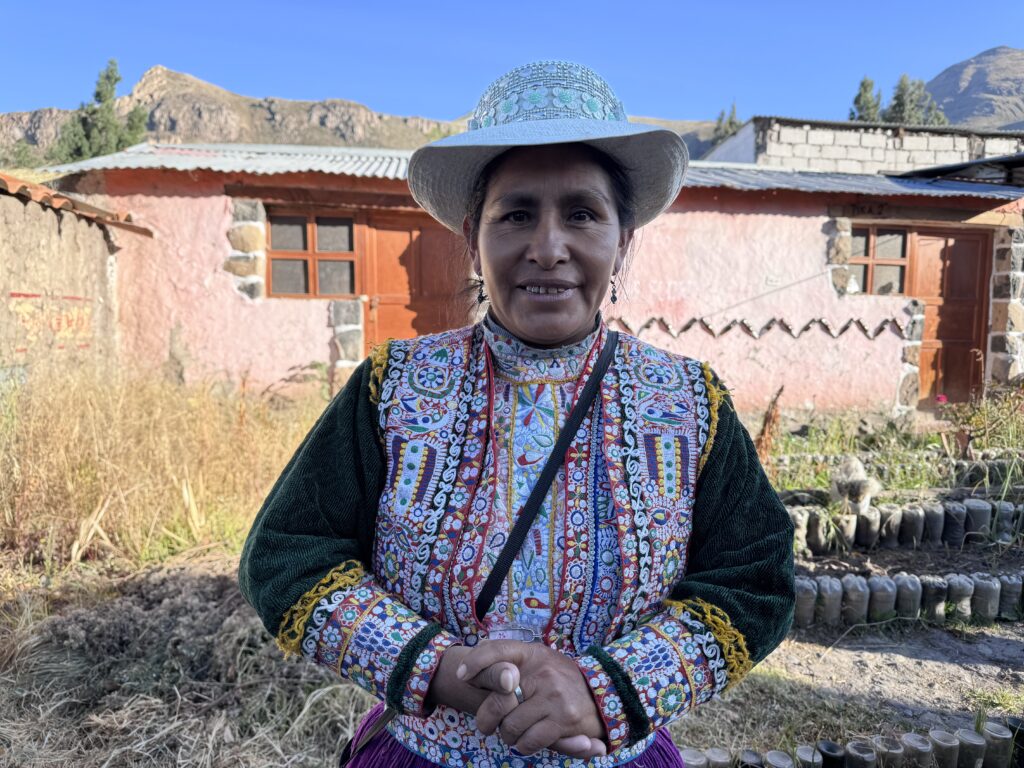
In Peru, Quechua communities in villages around Cusco welcome visitors on their own terms. Instead of performances created for tourists, guests encounter daily life through weaving, offerings to Pachamama and shared meals. Tourism becomes community-based, grounded in mutual respect and local control.
Craft, heritage and regional culture as lived experiences
Craftsmanship and tradition are increasingly becoming the heart of the travel experience, not as folklore or entertainment, but as living culture.
In Irish regions such as Connemara and Donegal, visitors may cut peat, bake soda bread or join fishers on the Atlantic. Artisans demonstrate how wool is spun, leather is worked and musical traditions are passed on. These are not merely attractions, but learning experiences that create connection.
In Japan, more travellers are choosing rural regions such as Tottori and Nagano, where they can take part in centuries-old crafts including sake brewing and papermaking. These traditions are not presented as a romanticised past, but as part of everyday life.
Why we are returning to what feels real
The appeal of authenticity is also a response to a world of carefully styled experiences, social media filters and journeys that leave little room for surprise. Travellers sense that something is missing: meaning, honesty and connection.
Authentic tourism responds to this search for purpose. Travel becomes a way to deepen cultural understanding, reflect on oneself and reconnect with other people. It also reflects wider social developments, including greater attention to sustainability, local identity, small-scale experiences and craftsmanship.
This is about more than collecting memories. It is about feeling that what you do matters, both to you and to the place you visit.
Travel based on reciprocity
Today’s traveller does not only want to experience a place, but also to give something back, not as a transaction, but as a mutual exchange. Listening, learning and participating create a different kind of contact.
The traveller shifts from visitor to participant. Cooking, harvesting and sharing stories together are often the small moments that remain. In an increasingly fleeting world, the desire for genuine encounter is growing.
For travel providers and destination marketers, this calls for a different approach. The task is not to push products, but to create space for relationships. Success should not be measured only in volume, but also in the quality of interaction. Authentic tourism centres on time, attention and meaning, which is precisely why it is gaining strength.
An experience that stays with you
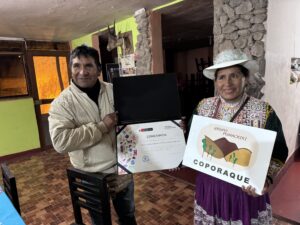
During a journey to Coporaque in Peru, on the edge of the Colca Canyon, I stayed with a local family. They were among the first people in the village to welcome travellers into their home. The additional income enabled their daughter to study and allowed the family to purchase land of their own for the first time.
During the day, we walked through the quiet, breathtaking Canocota Valley. In the evening, our host served a simple but flavoursome meal of chicken, mashed potatoes and rice, prepared with local herbs.
There was no luxury or performance, only a hot-water bottle and a sincere exchange. That simplicity was exactly what made it meaningful. It was not a polished experience, but a real encounter, and perhaps that is why it became unforgettable.
Isabel Mosk is a tourism strategist and founder of Sherpa’s Stories. She has worked for more than 50 destinations worldwide and advises organisations on tourism trends, strategy, positioning and storytelling.